

The Perfect Derma Peel Gallery
$$MultiPurposeText$$
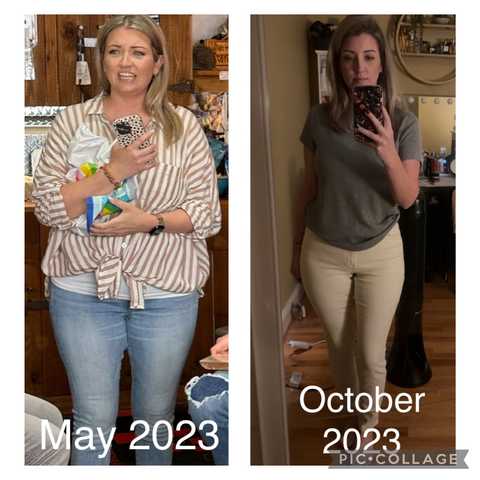
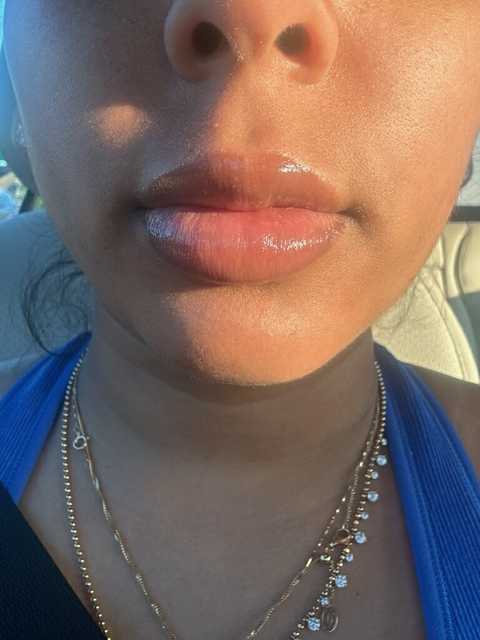
See examples of our The Perfect Derma Peel work and results.


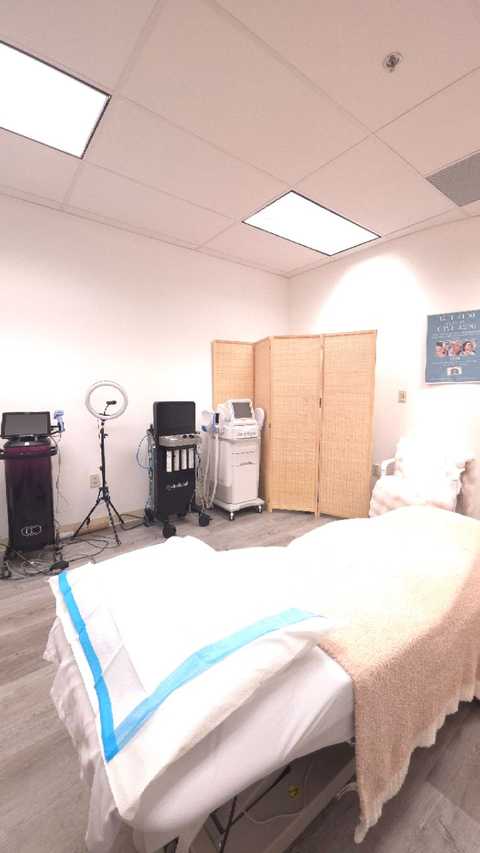


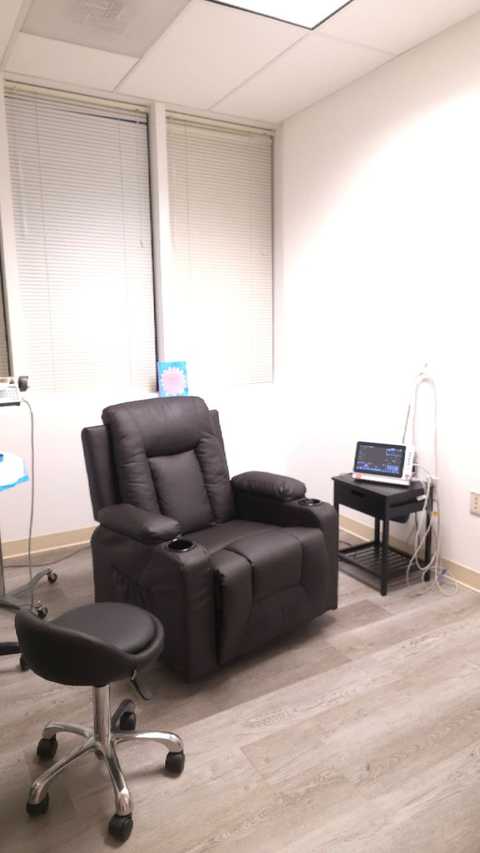
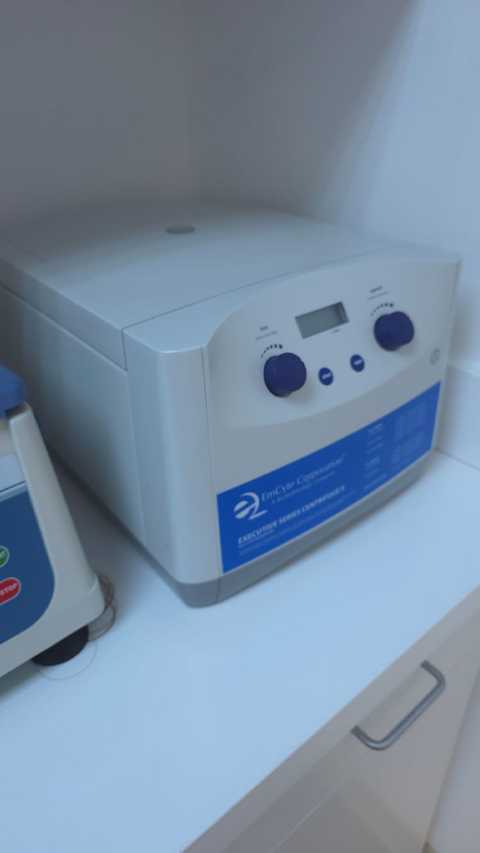
What Our Clients Say
$$MultiPurposeText$$
Read testimonials from our satisfied customers

I’ve been on TRT for a year now, and I can’t say enough about the positive impact it’s had...more

Dr. Baksh is wonderful. I’ve been seeing him on and off for several years now. He’s kind, ...more

It was a great experience that highlighted professionalism and high-quality products.

I’ve had wonderful experiences at Vital Health & Aesthetics. Absolutely the best, longest ...more

I got laser hair removal on my chin and lip. The staff were very professional and informat...more

Dr. Baksh is very knowledgeable and kind. He is very patient and takes his time to underst...more

Frequently Asked Questions
Get answers to common questions about The Perfect Derma Peel.
Most patients see improved brightness, reduced hyperpigmentation, and softened fine lines within one week. Results include peeling, skin texture refinement, and diminished acne scarring. Individual outcomes vary depending on skin type and adherence to pre- and post-care instructions.
The peel is designed for many skin types including darker complexions, when performed by trained clinicians. A pre-treatment consultation and possible priming reduce risks. Some conditions or medications may contraindicate treatment, so medical assessment is required.
Downtime typically lasts about seven days with visible peeling and flaking peaking around days three to five. Most clients can resume normal activities with appropriate aftercare, but heavy makeup and sun exposure should be avoided until healing completes.
Many patients achieve dramatic improvement after a single peel; however, additional sessions can be scheduled for maintenance or enhanced results. Your provider will tailor frequency based on concerns, skin response, and treatment goals.
Pre-care may include skin priming, avoiding retinoids, and sun protection. Post-care involves gentle cleansing, hydrating creams, and strict sunscreen use. Following clinician instructions minimizes irritation and ensures optimal healing and predictable peeling.
Common side effects include redness, stinging, and peeling. More serious reactions are rare but include infection or pigment changes. Contraindications include active infection, recent isotretinoin use, pregnancy, or certain skin conditions. A medical consultation screens suitability.