

PRP Hair (3 Treatment) Gallery
$$MultiPurposeText$$
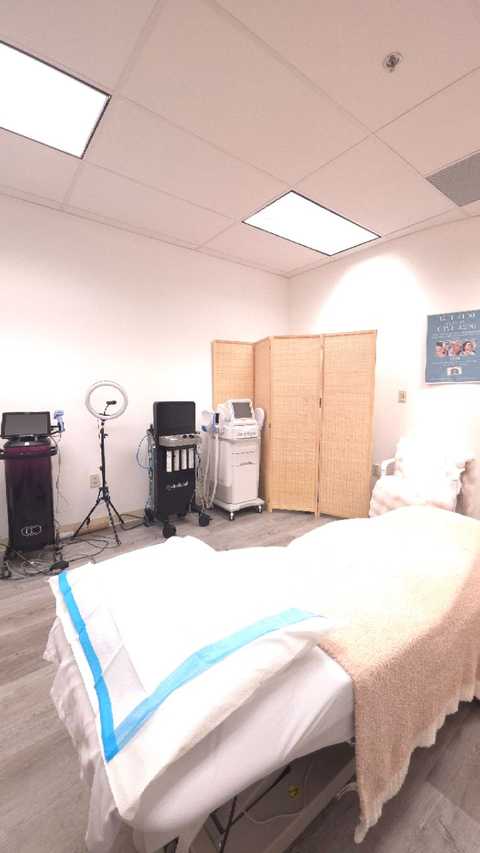
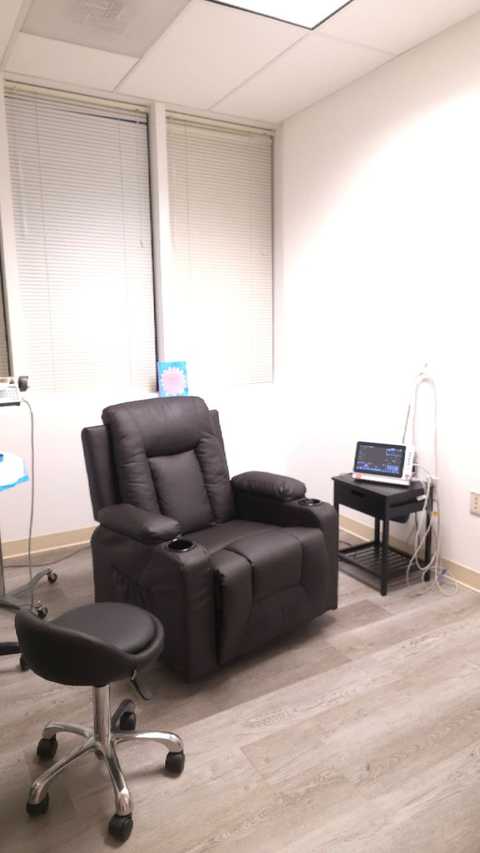
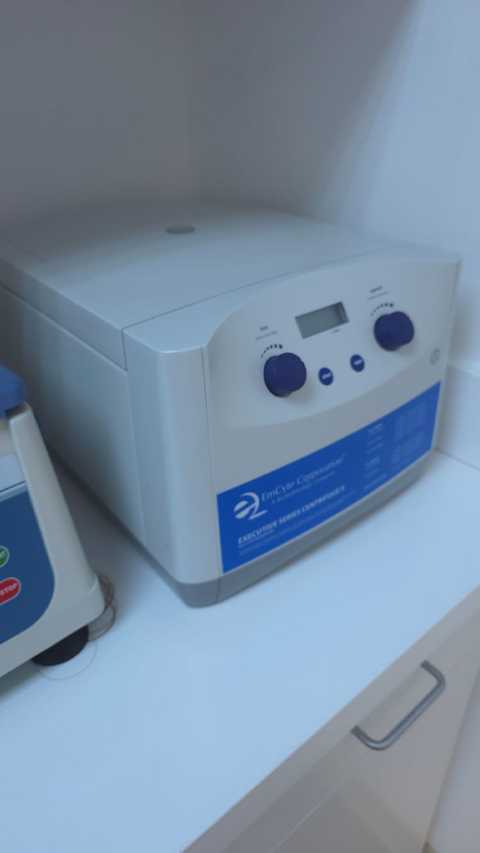
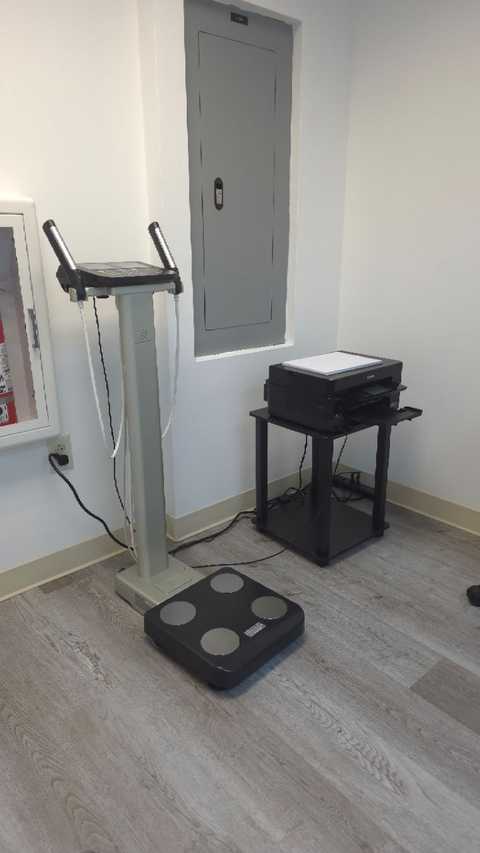
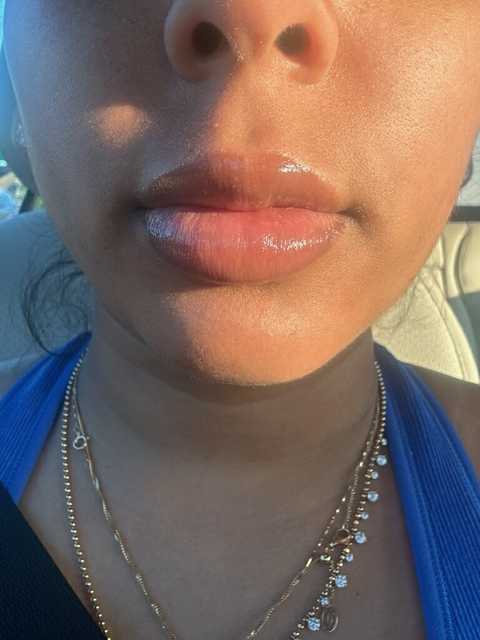
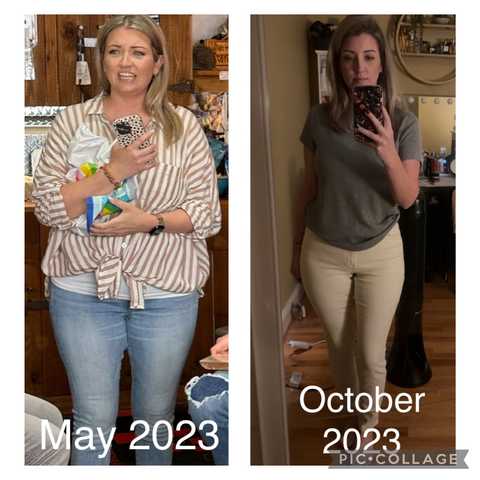
See examples of our PRP Hair (3 Treatment) work and results.





What Our Clients Say
$$MultiPurposeText$$
Read testimonials from our satisfied customers

Dr. Baksh is wonderful. I’ve been seeing him on and off for several years now. He’s kind, ...more

It was a great experience that highlighted professionalism and high-quality products.

I’ve had wonderful experiences at Vital Health & Aesthetics. Absolutely the best, longest ...more

I got laser hair removal on my chin and lip. The staff were very professional and informat...more

Dr. Baksh is very knowledgeable and kind. He is very patient and takes his time to underst...more

Everyone was so kind and accommodating. I look forward to seeing them again for more Proce...more

Frequently Asked Questions
Get answers to common questions about PRP Hair (3 Treatment).
We schedule three treatments about four weeks apart to align with follicular growth phases. This staggered approach sustains growth factor exposure, encouraging gradual improvement. Patients often notice initial changes by three months, with optimal thickness developing by six to nine months.
Discomfort is usually minimal; we apply topical anesthetic before injections. Most patients experience mild soreness, redness, or pinpoint bruising for a few days. No significant downtime—return to normal activities the same day, though vigorous exercise and hair treatments should be avoided for 24–48 hours.
Ideal candidates have early-to-moderate thinning or thinning due to androgenic factors, good overall health, and realistic expectations. Not recommended for complete baldness or active scalp infections. We screen for blood disorders, platelet dysfunction, and medications that could affect results during consultation.
Initial improvements such as reduced shedding and subtle regrowth may appear around three months. More noticeable thickening is common by six to nine months. Results vary; many patients maintain gains with periodic maintenance treatments every six to twelve months depending on response.
PRP is generally safe because it uses your own blood. Common side effects are temporary soreness, redness, minor bruising, or swelling. Rare risks include infection or prolonged bleeding. Temporary shedding can occur as follicles transition before new growth appears.
Avoid NSAIDs, aspirin, alcohol, and smoking for several days before treatment to reduce bleeding and bruising. Continue only physician-approved supplements; disclose all medications. Arrive with clean, product-free hair. Follow post-care instructions provided to optimize healing and treatment effectiveness.