

Ketamine for Depression Gallery
$$MultiPurposeText$$
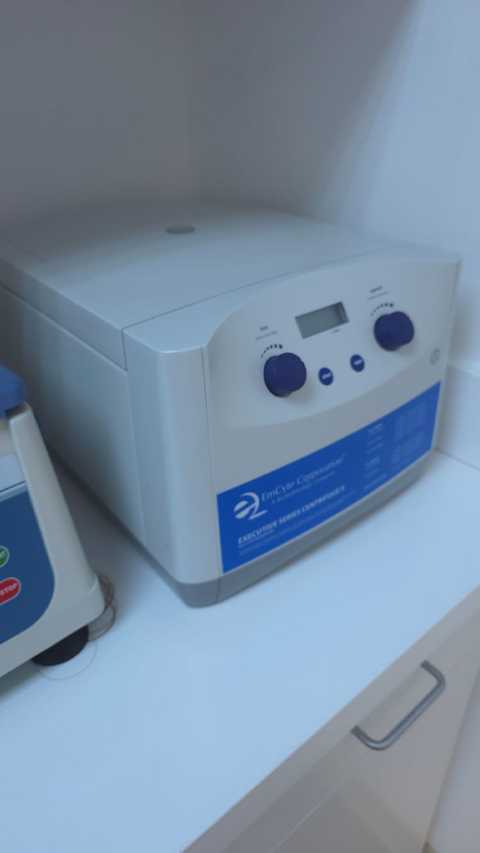
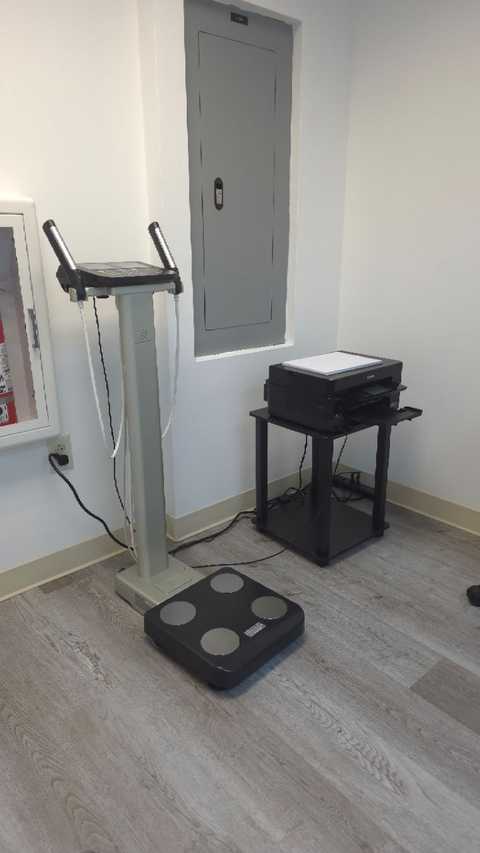
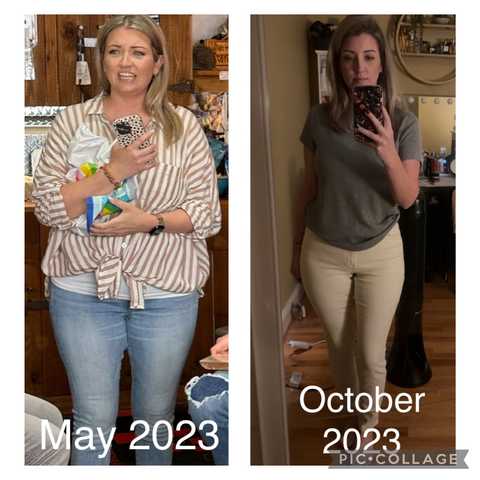
See examples of our Ketamine for Depression work and results.








What Our Clients Say
$$MultiPurposeText$$
Read testimonials from our satisfied customers

I’ve been on TRT for a year now, and I can’t say enough about the positive impact it’s had...more

Dr. Baksh is wonderful. I’ve been seeing him on and off for several years now. He’s kind, ...more

It was a great experience that highlighted professionalism and high-quality products.

I’ve had wonderful experiences at Vital Health & Aesthetics. Absolutely the best, longest ...more

I got laser hair removal on my chin and lip. The staff were very professional and informat...more

Dr. Baksh is very knowledgeable and kind. He is very patient and takes his time to underst...more

Frequently Asked Questions
Get answers to common questions about Ketamine for Depression.
Many patients notice symptom improvement within 24 hours to a few days after a single infusion; response varies by individual. Your clinician will discuss expected timelines and monitor progress to determine whether additional treatments are needed.
Ketamine is generally well-tolerated, but not suitable for everyone. Medical history, current medications, cardiovascular health, and psychiatric conditions are reviewed during screening. Our team conducts a thorough assessment to determine eligibility and minimize risks.
You will be monitored by medical staff while reclining in a comfortable setting. Vital signs are tracked, and clinicians provide support throughout the 40-60 minute infusion. Mild dissociation or altered perceptions may occur but are closely managed and typically short-lived.
An initial course often consists of a series of six infusions over two to three weeks for optimal response. Some patients benefit from a single session or maintenance boosters; your provider will tailor a plan based on response and clinical needs.
Yes—certain medications, especially MAOIs, benzodiazepines, and some blood pressure drugs, may affect safety or efficacy. Disclose all prescriptions, over-the-counter drugs, and supplements at screening. Our clinicians will adjust guidance or pause conflicting medications as needed.
Common short-term effects include dizziness, nausea, mild disorientation, and transient blood pressure increases. These typically resolve within hours. Serious complications are rare; monitoring and post-infusion observation help ensure safety and address any adverse reactions promptly.
Read more about Ketamine for Depression
$$MultiPurposeText$$
Explore our latest insights and guides on Ketamine for Depression.
