

Ketamine for Depression (6 Treatment) Gallery
$$MultiPurposeText$$
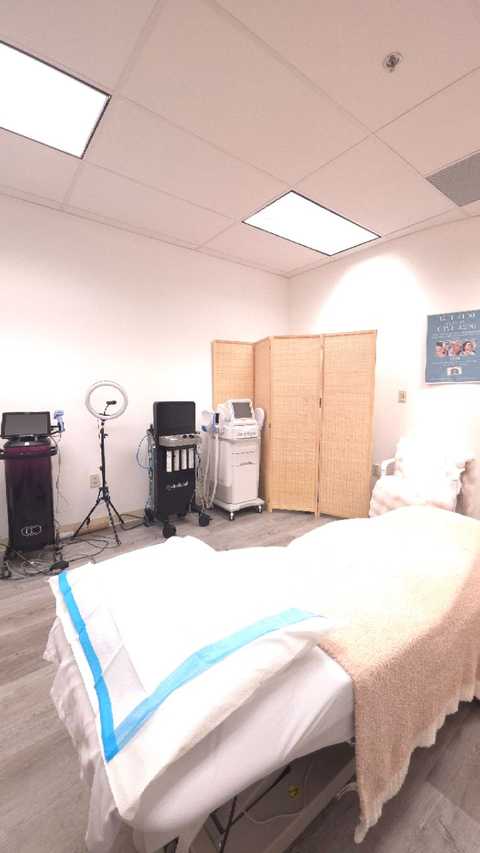
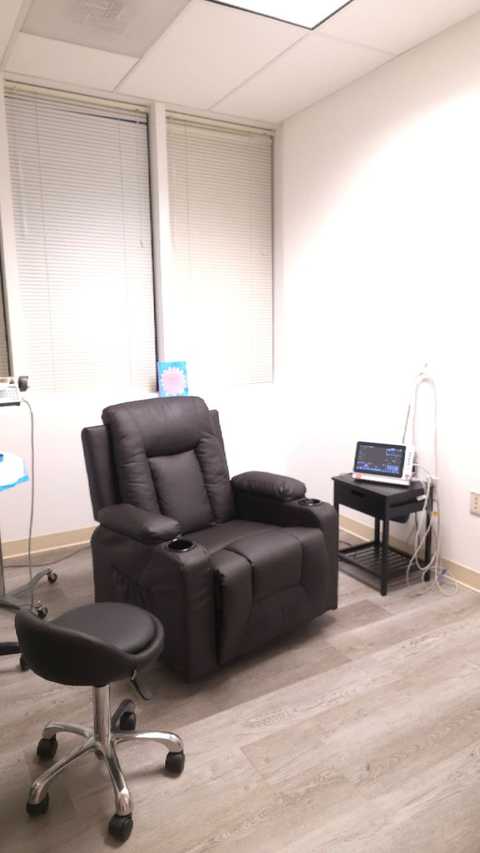
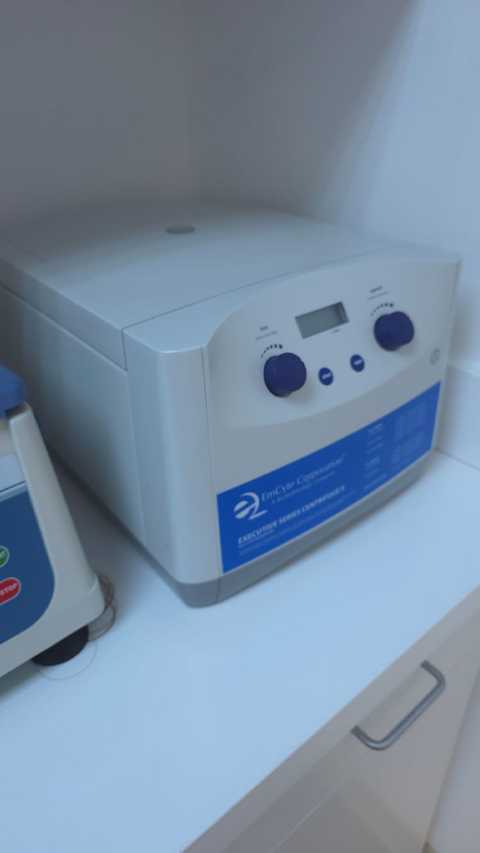
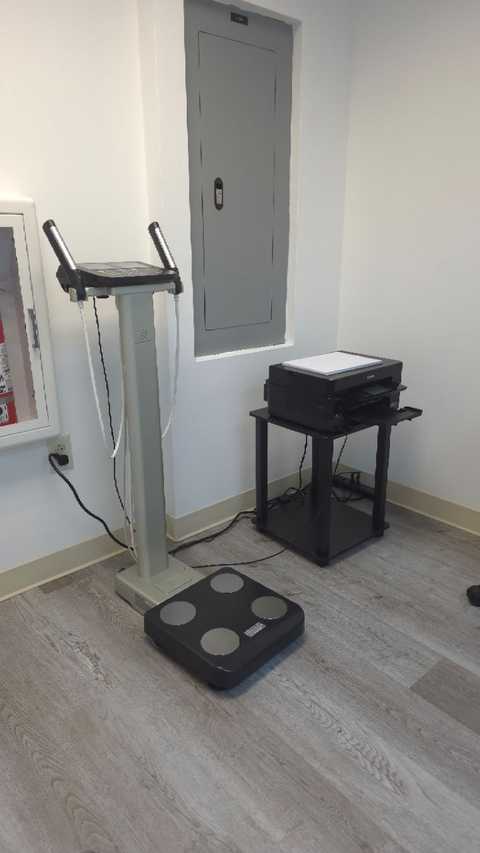
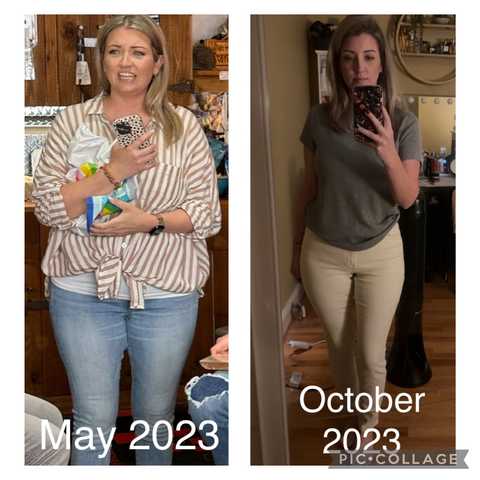
See examples of our Ketamine for Depression (6 Treatment) work and results.






What Our Clients Say
$$MultiPurposeText$$
Read testimonials from our satisfied customers

I’ve been on TRT for a year now, and I can’t say enough about the positive impact it’s had...more

Dr. Baksh is wonderful. I’ve been seeing him on and off for several years now. He’s kind, ...more

It was a great experience that highlighted professionalism and high-quality products.

I’ve had wonderful experiences at Vital Health & Aesthetics. Absolutely the best, longest ...more

I got laser hair removal on my chin and lip. The staff were very professional and informat...more

Dr. Baksh is very knowledgeable and kind. He is very patient and takes his time to underst...more

Frequently Asked Questions
Get answers to common questions about Ketamine for Depression (6 Treatment).
Ketamine modulates glutamate signaling by antagonizing NMDA receptors, prompting a surge of synaptic glutamate and activating AMPA receptors. This cascade promotes rapid synaptogenesis and neuroplasticity, producing quick mood improvement. Repeated infusions help consolidate these changes for longer-lasting clinical benefit.
Ideal candidates include adults with major depressive disorder, especially treatment-resistant depression or persistent symptoms despite medications and therapy. Candidates undergo medical and psychiatric evaluation to confirm suitability, rule out contraindications, and create a personalized infusion plan and follow-up strategy.
Common acute effects include transient dissociation, lightheadedness, nausea, increased blood pressure, and mild headache. These symptoms are generally short-lived during or shortly after infusion. Our team monitors vital signs, adjusts dosing, and provides supportive care to minimize and manage side effects.
Some patients report mood improvement after the first one or two infusions, while others experience gradual benefits across the six-session course. The full series is designed to reinforce neuroplastic changes, delivering more durable symptom relief over several weeks to months.
Most antidepressants can safely continue, but interactions depend on specific medications. We review your full medication list during screening; adjustments may be recommended for safety. Always coordinate with your prescribing provider so infusions integrate safely with current psychiatric treatment.
Avoid alcohol and recreational drugs for twenty-four to forty-eight hours before treatment, have a light meal unless instructed otherwise, bring a companion for post-infusion transport, wear comfortable clothing, and bring a complete list of medications and medical history.
Read more about Ketamine for Depression (6 Treatment)
$$MultiPurposeText$$
Explore our latest insights and guides on Ketamine for Depression (6 Treatment).
