

Ketamine for Pain (6 Treatment) Gallery
$$MultiPurposeText$$
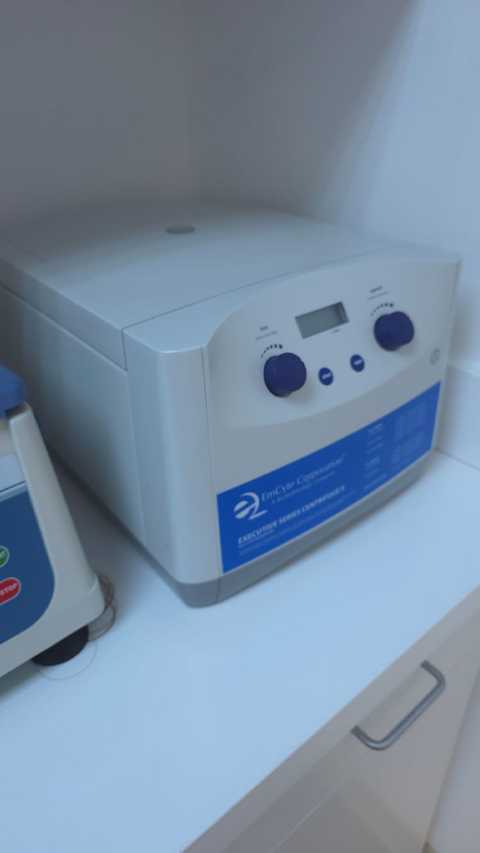
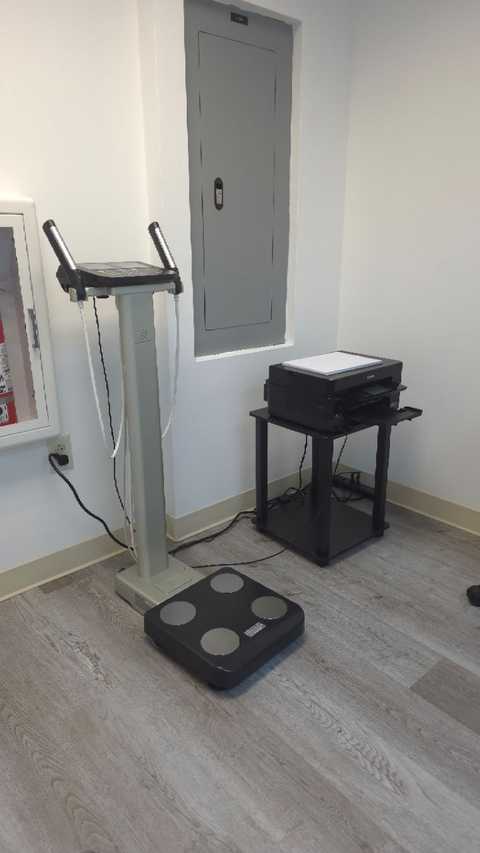
See examples of our Ketamine for Pain (6 Treatment) work and results.









What Our Clients Say
$$MultiPurposeText$$
Read testimonials from our satisfied customers

I’ve been on TRT for a year now, and I can’t say enough about the positive impact it’s had...more

Dr. Baksh is wonderful. I’ve been seeing him on and off for several years now. He’s kind, ...more

It was a great experience that highlighted professionalism and high-quality products.

I’ve had wonderful experiences at Vital Health & Aesthetics. Absolutely the best, longest ...more

I got laser hair removal on my chin and lip. The staff were very professional and informat...more

Dr. Baksh is very knowledgeable and kind. He is very patient and takes his time to underst...more

Frequently Asked Questions
Get answers to common questions about Ketamine for Pain (6 Treatment).
Each visit includes medical assessment, IV ketamine administration under supervision, monitoring of vital signs and comfort, and staff support during recovery. Expect mild dissociative effects that pass; sessions last several hours including pre- and post-observation.
Many patients notice decreased pain after the first few treatments, but maximal and sustained relief typically develops over the full six-session course and continues improving weeks to months after completion.
Candidates include individuals with chronic, treatment-resistant pain (neuropathic, complex regional pain syndrome, fibromyalgia) who have tried standard therapies. A medical evaluation and clearance ensure safety and suitability for ketamine therapy.
Common transient effects include nausea, dizziness, elevated blood pressure, or dissociation. Serious complications are rare; pre-treatment screening, monitoring, and individualized dosing minimize risks. Discuss medical history and medications before starting.
Follow fasting and medication instructions, arrange transportation home, wear comfortable clothing, and bring any recent medical records. Avoid alcohol or sedatives before treatment and communicate all medications and health changes.
Duration varies; many patients experience months of meaningful relief, especially after the full six-session protocol. Some require booster or maintenance treatments; clinicians tailor follow-up plans based on response and functional goals.
Read more about Ketamine for Pain (6 Treatment)
$$MultiPurposeText$$
Explore our latest insights and guides on Ketamine for Pain (6 Treatment).
