

Sermorelin (Monthly) Gallery
$$MultiPurposeText$$
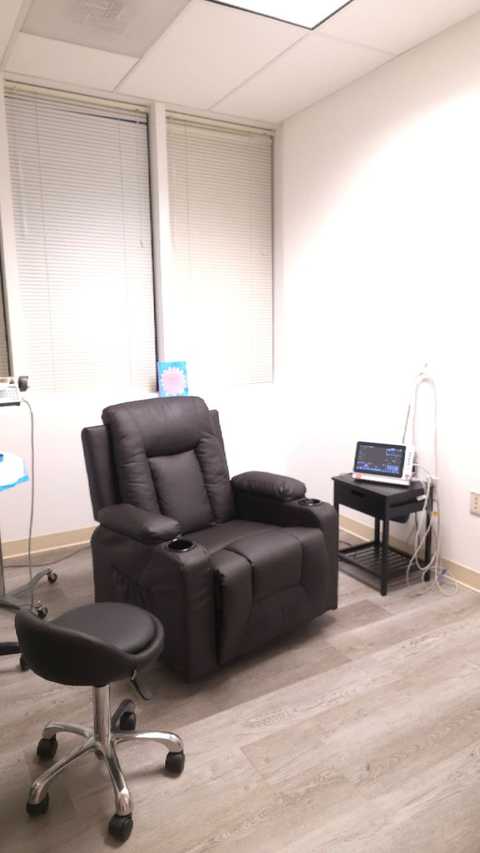
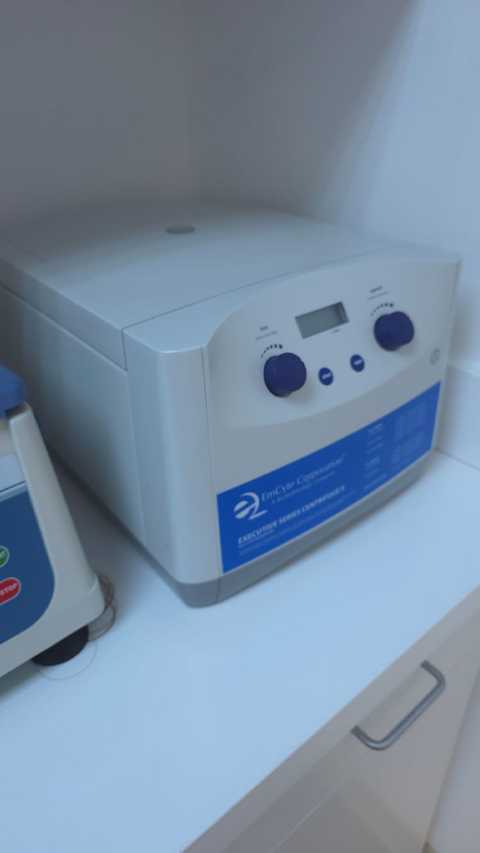
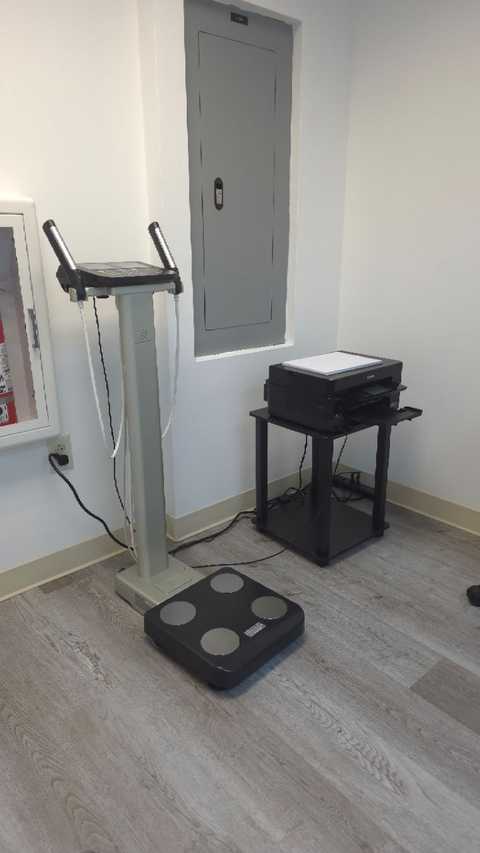
See examples of our Sermorelin (Monthly) work and results.








What Our Clients Say
$$MultiPurposeText$$
Read testimonials from our satisfied customers

Dr. Baksh is wonderful. I’ve been seeing him on and off for several years now. He’s kind, ...more

It was a great experience that highlighted professionalism and high-quality products.

I’ve had wonderful experiences at Vital Health & Aesthetics. Absolutely the best, longest ...more

I got laser hair removal on my chin and lip. The staff were very professional and informat...more

Dr. Baksh is very knowledgeable and kind. He is very patient and takes his time to underst...more

Everyone was so kind and accommodating. I look forward to seeing them again for more Proce...more

Frequently Asked Questions
Get answers to common questions about Sermorelin (Monthly).
Sermorelin is a peptide that signals the pituitary gland to increase growth hormone secretion. Monthly protocols restore pulsatile HGH patterns, supporting tissue repair, metabolism, sleep, and body composition with fewer risks than direct hormone replacement.
Ideal candidates are adults experiencing age-related declines in energy, sleep, muscle mass, or skin elasticity who test with low-normal HGH markers and undergo medical evaluation. It suits those seeking natural hormone restoration rather than direct synthetic growth hormone.
Patients often notice better sleep, increased energy, improved muscle tone, and firmer skin within eight to twelve weeks. Full benefits continue to build over months, with measurable improvements in body composition and vitality from consistent monthly use.
Sermorelin is generally well tolerated. Mild injection-site redness, headache, or transient flushing can occur. Serious adverse effects are rare with medical supervision; pre-treatment evaluation and dose adjustments minimize risk, especially for those with health conditions.
Sermorelin is given subcutaneously, typically self-administered or clinic-administered with a small injection pen. Protocols vary but commonly include nightly injections for defined cycles with regular follow-ups and lab monitoring to optimize dosing.
Baseline labs are drawn before starting therapy. Follow-up testing is typically scheduled at six to twelve weeks and then every three to six months to monitor IGF-1, metabolic markers, and safety, allowing dose adjustments as needed.