

Vitamin D Injection Gallery
$$MultiPurposeText$$
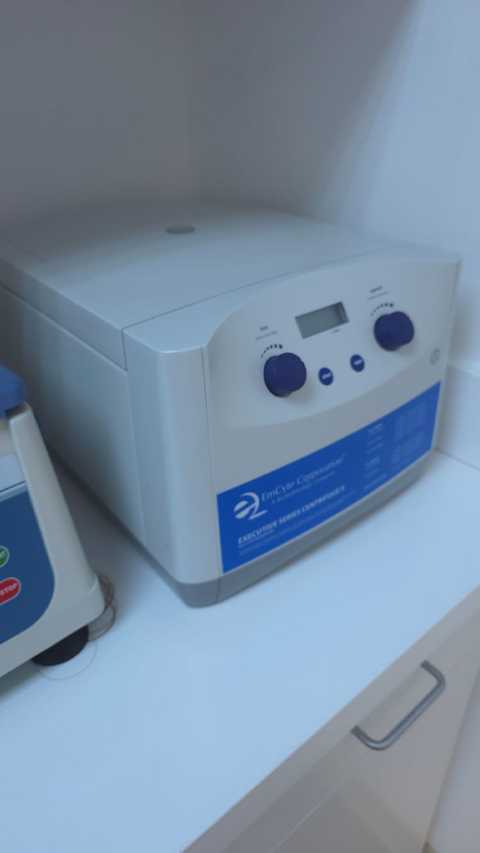
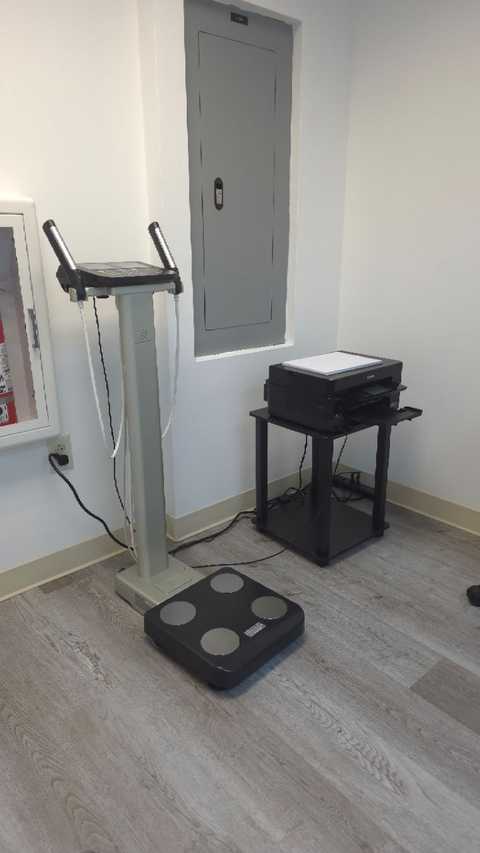
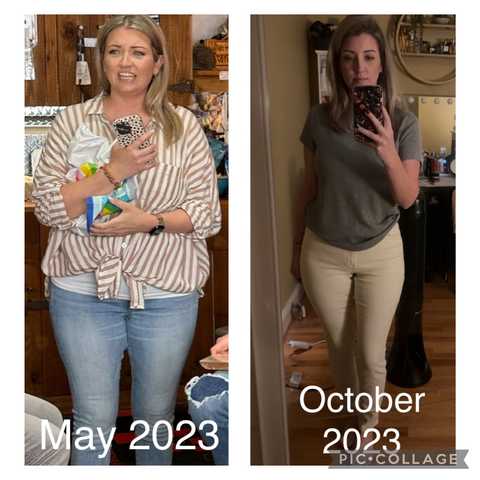
See examples of our Vitamin D Injection work and results.








What Our Clients Say
$$MultiPurposeText$$
Read testimonials from our satisfied customers

Dr. Baksh is wonderful. I’ve been seeing him on and off for several years now. He’s kind, ...more

It was a great experience that highlighted professionalism and high-quality products.

I’ve had wonderful experiences at Vital Health & Aesthetics. Absolutely the best, longest ...more

I got laser hair removal on my chin and lip. The staff were very professional and informat...more

Dr. Baksh is very knowledgeable and kind. He is very patient and takes his time to underst...more

Everyone was so kind and accommodating. I look forward to seeing them again for more Proce...more

Frequently Asked Questions
Get answers to common questions about Vitamin D Injection.
Ideal candidates include people with low sun exposure, documented vitamin D deficiency, malabsorption, older adults, or those needing rapid correction. A clinician reviews medical history and lab results to determine suitability, dosage, and monitoring to ensure safety and effectiveness.
Effects duration depends on dose, baseline levels, and individual metabolism. A single high-dose injection can raise levels for several weeks to months; many patients require periodic reassessment and occasional repeat injections or maintenance oral supplementation based on follow-up labs.
Most side effects are mild and local, such as brief soreness or redness at the injection site. Systemic reactions are uncommon but can include nausea or signs of high calcium. We screen medical history and labs to minimize risk and provide post-care guidance.
No fasting is required. Come hydrated and bring a list of medications and recent lab results if available. Inform us about pregnancy, allergies, or chronic conditions. Your clinician may order baseline vitamin D and calcium tests prior to administration.
Often yes. After a high-dose injection clinicians may recommend maintenance oral vitamin D to sustain levels. Follow your personalized plan and lab monitoring to avoid excess; never self-prescribe high-dose oral supplements without medical guidance.
Some interactions are possible. Vitamin D can increase calcium levels, which may affect thiazide diuretics or interact with certain heart or kidney medications. Bring a current medication list so clinicians can review risks and adjust dosing safely.